
Made by oneeightoneone
Made by oneeightoneone
Made by oneeightoneone
Newsroom

Minimal web design. Less, but better.
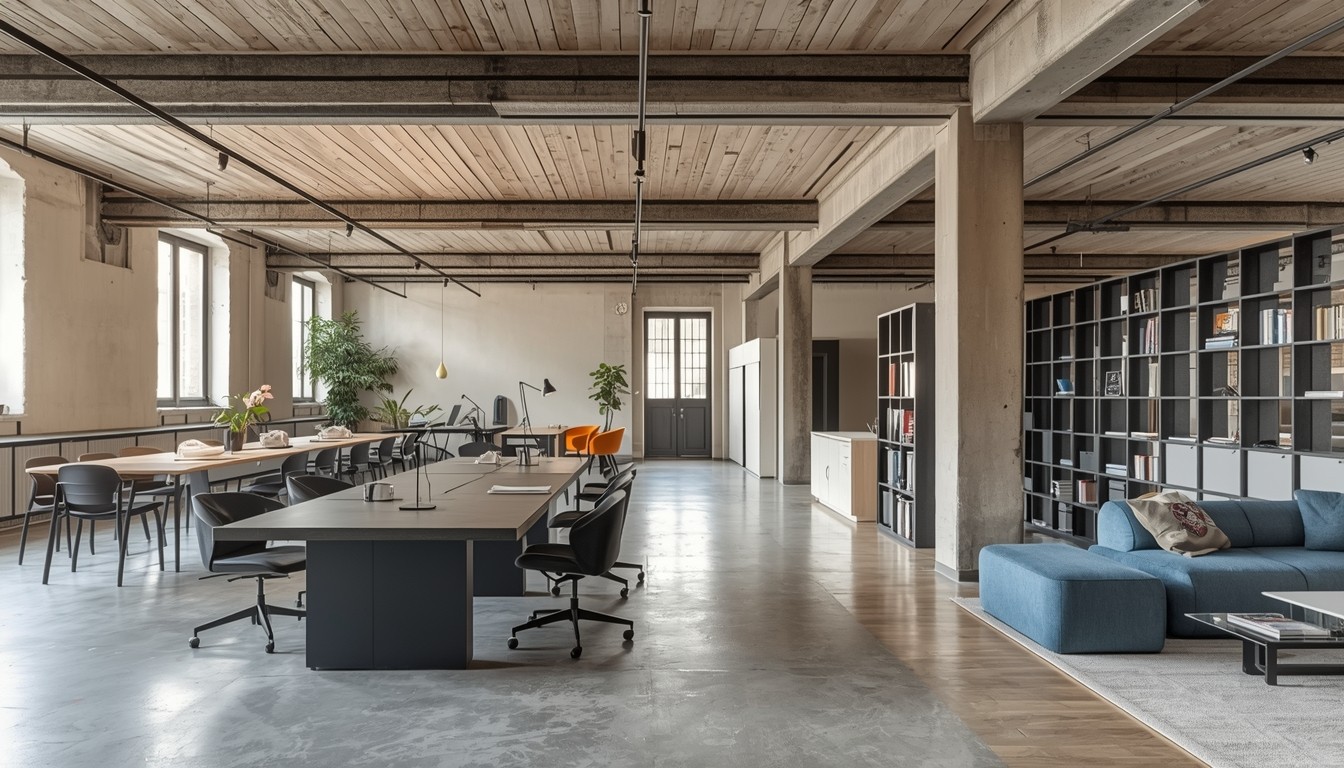
In a digital world overflowing with pop-ups, banners, and visual noise, minimal web design is like a breath of fresh air. It’s clean, clear, and purposeful. It doesn’t shout—it speaks with quiet confidence. But don’t mistake minimal for “bare” or “boring.” When done right, minimal design is intentional, elegant, and incredibly effective.
Friday, May 1, 2026
Read
Why choose simplicity in web design?
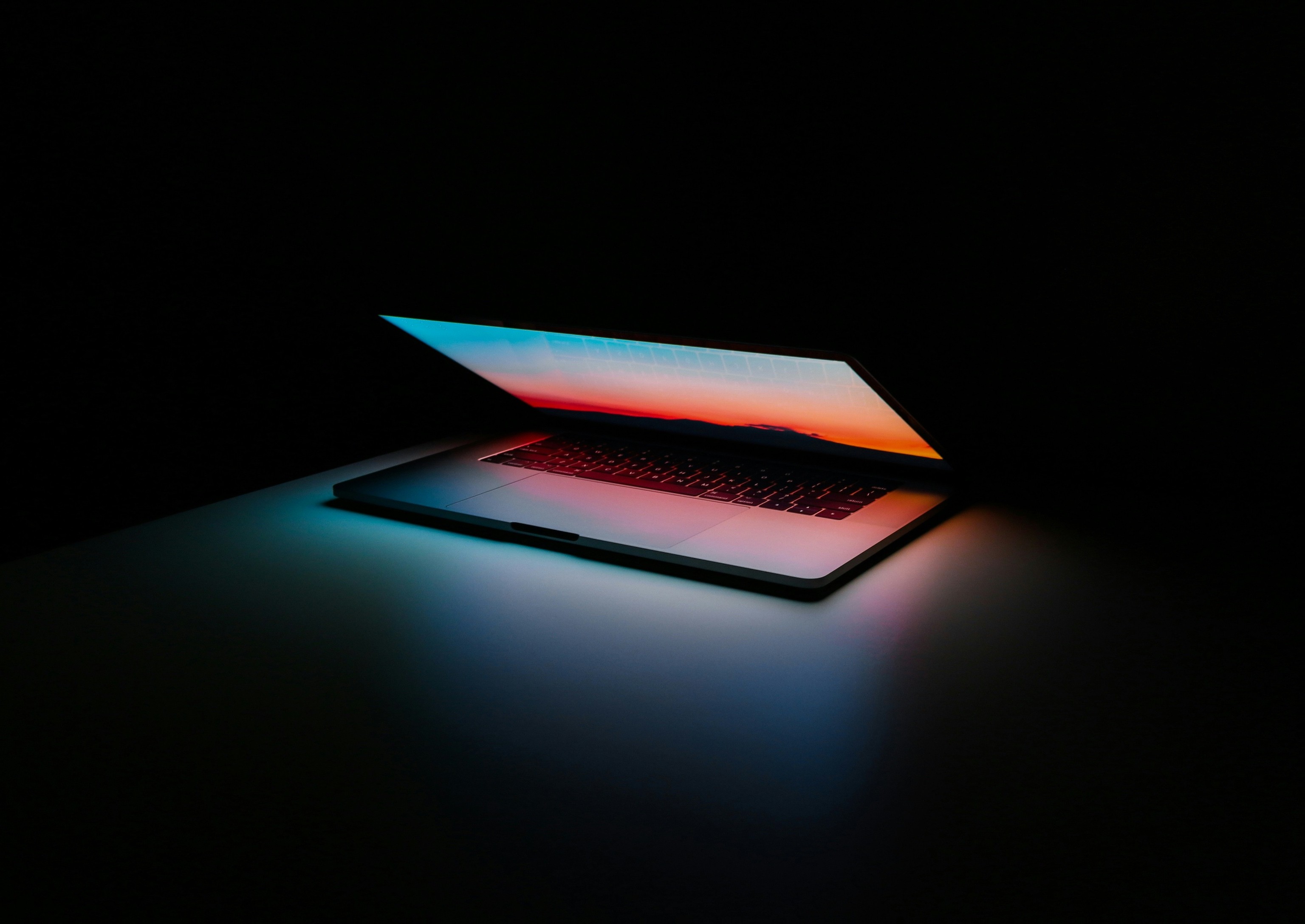
In a world where everything is fighting for attention—ads, notifications, animations, pop-ups—simplicity has become a superpower. Simplicity in web design isn’t about removing features or being overly minimal—it’s about clarity, focus, and intentionality. It’s about creating digital spaces that feel calm, intuitive, and effective.
Thursday, April 30, 2026
Read

Why Mobile-first design is crucial for modern websites.
In today’s digital landscape, designing for mobile first is no longer a trend — it’s a necessity. With the majority of users accessing websites from their phones, a mobile-first approach ensures your site meets people where they are. It’s not just about smaller screens, but it’s about designing smarter, faster, and more user-focused experiences from the ground up.
Thursday, April 23, 2026
Read

Paragraphs in web design, readability, structure and user experience.
When it comes to web design, we often get caught up in the visual elements—colors, grids, buttons, fonts—but there’s one humble element that plays a huge role in the user experience: the paragraph. Yes, the good old paragraph. It's the foundation of written content on the web, and how you format and structure them can make or break how your message is received.
Thursday, April 16, 2026
Read

Heading hierarchy in web design.
When you're building a webpage, it's easy to focus on the visuals—the colors, the fonts, the layout—but one thing that often gets overlooked is your heading hierarchy. And honestly? It's one of the unsung heroes of good web design and content structure. Let’s dive into what it is, why it matters, and how to do it right.
Thursday, April 9, 2026
Read

The core principles of web design. Building for beauty, function and usability.
In the fast-moving world of the web, trends come and go—parallax scrolls, brutalist layouts, glassmorphism—but principles? Those are timeless. Whether you're designing a sleek portfolio, a full-featured e-commerce site, or just a humble blog like this one, there are foundational web design principles that never go out of style. They’re the secret sauce behind sites that not only look good but feel good to use.
Thursday, April 2, 2026
Read
The core principles of web design. Building for beauty, function and usability.
In the fast-moving world of the web, trends come and go—parallax scrolls, brutalist layouts, glassmorphism—but principles? Those are timeless. Whether you're designing a sleek portfolio, a full-featured e-commerce site, or just a humble blog like this one, there are foundational web design principles that never go out of style. They’re the secret sauce behind sites that not only look good but feel good to use.
Thursday, April 2, 2026
Read

Web design. Where function meets aesthetics.
In a world where your digital presence is often your first impression, web design has become more than just a visual art—it's a strategic tool. Whether you're launching a business, showcasing a portfolio, or starting a blog, your website's design can make or break the user experience.
Thursday, March 12, 2026
Read

The Hero section. Your website’s first impression
You never get a second chance to make a first impression—and on a website, the hero section is where that impression happens. It’s the first thing visitors see when they land on your homepage. It’s bold, it’s visual, and if done right, it sets the tone for the entire experience.
Thursday, February 19, 2026
Read

Web design philosophy.
Web design philosophy is the guiding mindset or set of principles behind how websites are designed—not just how they look, but how they function, how they serve users, and how they express a brand or idea. It blends aesthetics, usability, and purpose.
Thursday, March 26, 2026
Read

The power of color in web design. More than just a pretty palette.
Color isn’t just decoration—it’s communication. In web design, color has the power to evoke emotion, guide users, and define your brand without saying a single word. Whether you’re building a landing page, an e-commerce store, or a personal portfolio, your color choices matter more than you think.
Thursday, March 5, 2026
Read
Dark mode vs. light mode. Which one wins in web design?
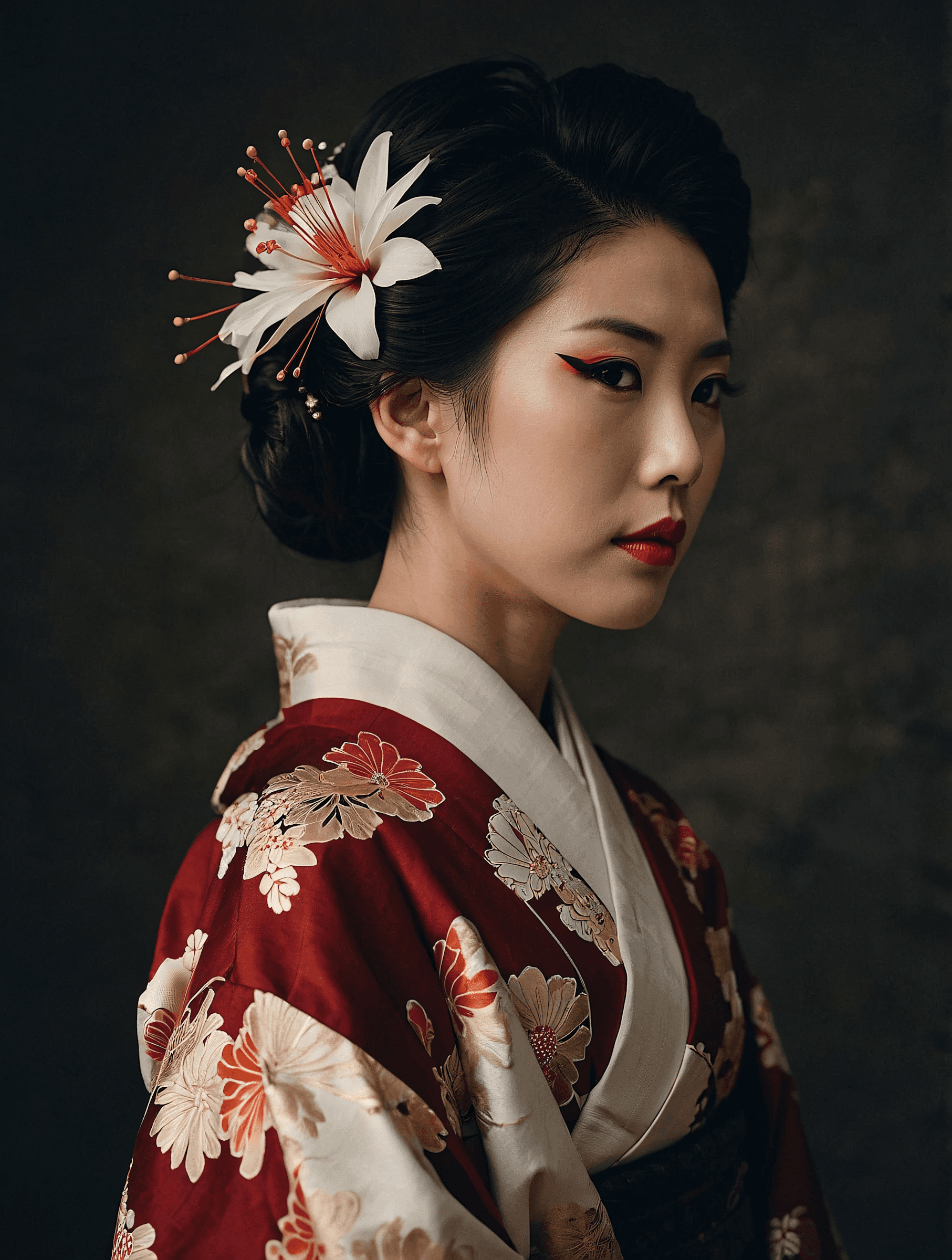
Dark mode isn’t just a trend—it’s become a standard feature across operating systems, apps, and websites. But is it better than light mode? Or is it just personal preference? If you’re designing a website or app, it’s worth exploring both options to understand their strengths, weaknesses, and the role they play in user experience.
Thursday, February 12, 2026
Read

The art of typography. More than just fonts.
Typography is everywhere. It’s in the books we read, the websites we scroll, the products we buy, and even in the street signs that guide us home. Yet, most of us rarely stop to think about how much typography shapes our experience of the world. It's more than just choosing a pretty font—it's about communication, clarity, and emotion.
Thursday, March 19, 2026
Read

Why pictures matter in web design and how to use them right.
A website without images is like a story without characters—flat, forgettable, and hard to connect with. Images are one of the most powerful tools in web design. They grab attention, create emotion, and communicate faster than text ever could. But it’s not just about throwing in pretty photos. Using images the right way is what separates a sleek, professional site from one that looks cluttered or confusing.
Thursday, February 26, 2026
Read
The core principles of web design. Building for beauty, function and usability.
In the fast-moving world of the web, trends come and go—parallax scrolls, brutalist layouts, glassmorphism—but principles? Those are timeless. Whether you're designing a sleek portfolio, a full-featured e-commerce site, or just a humble blog like this one, there are foundational web design principles that never go out of style. They’re the secret sauce behind sites that not only look good but feel good to use.
Thursday, April 2, 2026
Read
Web design philosophy.
Web design philosophy is the guiding mindset or set of principles behind how websites are designed—not just how they look, but how they function, how they serve users, and how they express a brand or idea. It blends aesthetics, usability, and purpose.
Thursday, March 26, 2026
Read
The art of typography. More than just fonts.
Typography is everywhere. It’s in the books we read, the websites we scroll, the products we buy, and even in the street signs that guide us home. Yet, most of us rarely stop to think about how much typography shapes our experience of the world. It's more than just choosing a pretty font—it's about communication, clarity, and emotion.
Thursday, March 19, 2026
Read
Web design. Where function meets aesthetics.
In a world where your digital presence is often your first impression, web design has become more than just a visual art—it's a strategic tool. Whether you're launching a business, showcasing a portfolio, or starting a blog, your website's design can make or break the user experience.
Thursday, March 12, 2026
Read
The power of color in web design. More than just a pretty palette.
Color isn’t just decoration—it’s communication. In web design, color has the power to evoke emotion, guide users, and define your brand without saying a single word. Whether you’re building a landing page, an e-commerce store, or a personal portfolio, your color choices matter more than you think.
Thursday, March 5, 2026
Read
Why pictures matter in web design and how to use them right.
A website without images is like a story without characters—flat, forgettable, and hard to connect with. Images are one of the most powerful tools in web design. They grab attention, create emotion, and communicate faster than text ever could. But it’s not just about throwing in pretty photos. Using images the right way is what separates a sleek, professional site from one that looks cluttered or confusing.
Thursday, February 26, 2026
Read
The Hero section. Your website’s first impression
You never get a second chance to make a first impression—and on a website, the hero section is where that impression happens. It’s the first thing visitors see when they land on your homepage. It’s bold, it’s visual, and if done right, it sets the tone for the entire experience.
Thursday, February 19, 2026
Read
Dark mode vs. light mode. Which one wins in web design?
Dark mode isn’t just a trend—it’s become a standard feature across operating systems, apps, and websites. But is it better than light mode? Or is it just personal preference? If you’re designing a website or app, it’s worth exploring both options to understand their strengths, weaknesses, and the role they play in user experience.
Thursday, February 12, 2026
Read
Web design philosophy.
Web design philosophy is the guiding mindset or set of principles behind how websites are designed—not just how they look, but how they function, how they serve users, and how they express a brand or idea. It blends aesthetics, usability, and purpose.
Thursday, March 26, 2026
Read
Web design. Where function meets aesthetics.
In a world where your digital presence is often your first impression, web design has become more than just a visual art—it's a strategic tool. Whether you're launching a business, showcasing a portfolio, or starting a blog, your website's design can make or break the user experience.
Thursday, March 12, 2026
Read
Why pictures matter in web design and how to use them right.
A website without images is like a story without characters—flat, forgettable, and hard to connect with. Images are one of the most powerful tools in web design. They grab attention, create emotion, and communicate faster than text ever could. But it’s not just about throwing in pretty photos. Using images the right way is what separates a sleek, professional site from one that looks cluttered or confusing.
Thursday, February 26, 2026
Read
Dark mode vs. light mode. Which one wins in web design?
Dark mode isn’t just a trend—it’s become a standard feature across operating systems, apps, and websites. But is it better than light mode? Or is it just personal preference? If you’re designing a website or app, it’s worth exploring both options to understand their strengths, weaknesses, and the role they play in user experience.
Thursday, February 12, 2026
Read
The art of typography. More than just fonts.
Typography is everywhere. It’s in the books we read, the websites we scroll, the products we buy, and even in the street signs that guide us home. Yet, most of us rarely stop to think about how much typography shapes our experience of the world. It's more than just choosing a pretty font—it's about communication, clarity, and emotion.
Thursday, March 19, 2026
Read
The power of color in web design. More than just a pretty palette.
Color isn’t just decoration—it’s communication. In web design, color has the power to evoke emotion, guide users, and define your brand without saying a single word. Whether you’re building a landing page, an e-commerce store, or a personal portfolio, your color choices matter more than you think.
Thursday, March 5, 2026
Read
The Hero section. Your website’s first impression
You never get a second chance to make a first impression—and on a website, the hero section is where that impression happens. It’s the first thing visitors see when they land on your homepage. It’s bold, it’s visual, and if done right, it sets the tone for the entire experience.
Thursday, February 19, 2026
Read
Archive

Minimal web design. Less, but better.
Minimal web design. Less, but better.
Minimal web design. Less, but better.
Why choose simplicity in web design?
Why choose simplicity in web design?
Why choose simplicity in web design?

Why Mobile-first design is crucial for modern websites.
Why Mobile-first design is crucial for modern websites.
Why Mobile-first design is crucial for modern websites.

Paragraphs in web design, readability, structure and user experience.
Paragraphs in web design, readability, structure and user experience.
Paragraphs in web design, readability, structure and user experience.

Heading hierarchy in web design.
Heading hierarchy in web design.
Heading hierarchy in web design.

The core principles of web design. Building for beauty, function and usability.
The core principles of web design. Building for beauty, function and usability.
The core principles of web design. Building for beauty, function and usability.
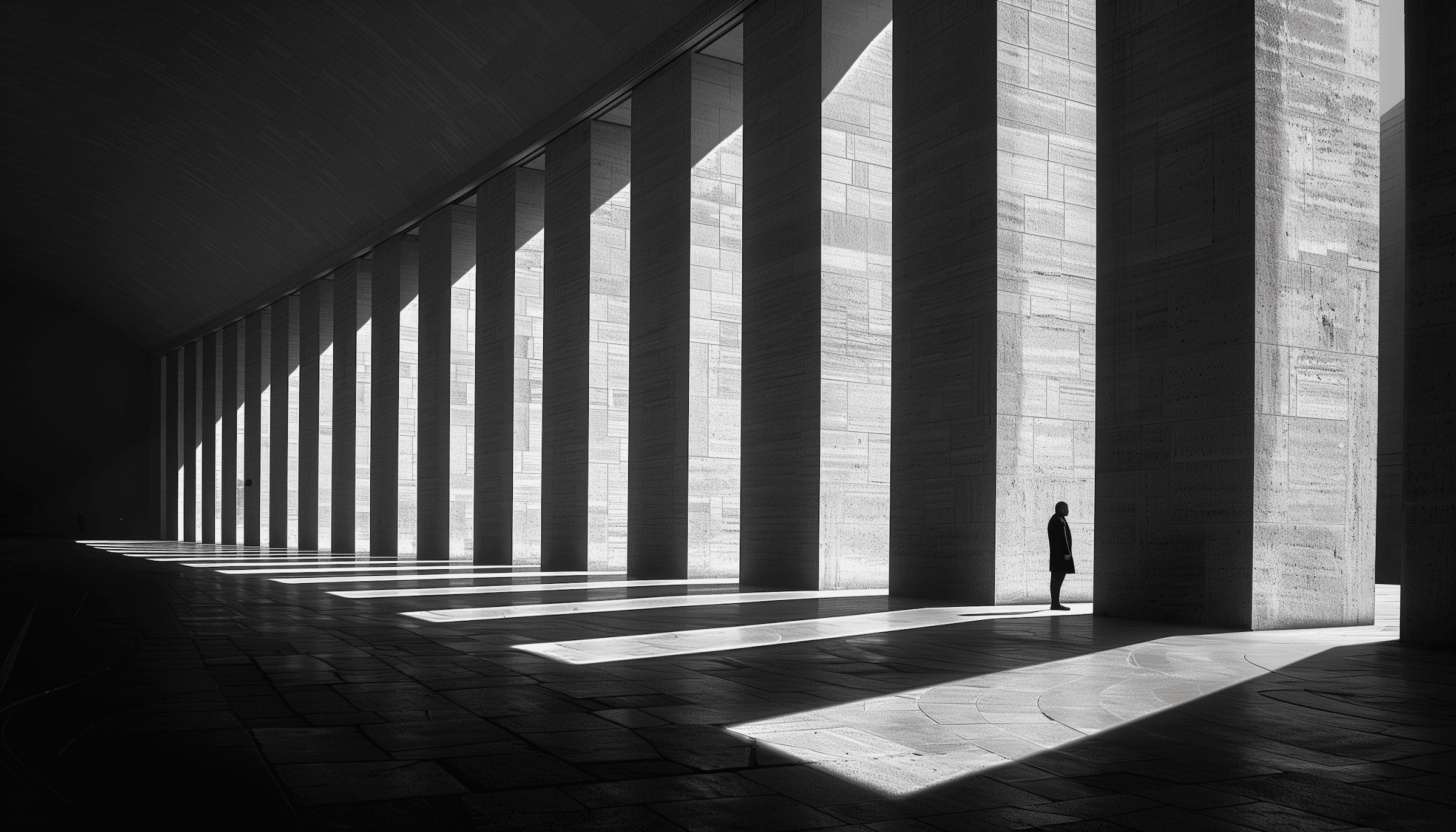
Web design philosophy.
Web design philosophy.
Web design philosophy.

The art of typography. More than just fonts.
The art of typography. More than just fonts.
The art of typography. More than just fonts.